

Blog

Caribbean Stud Poker Rules Explained for Australian Players
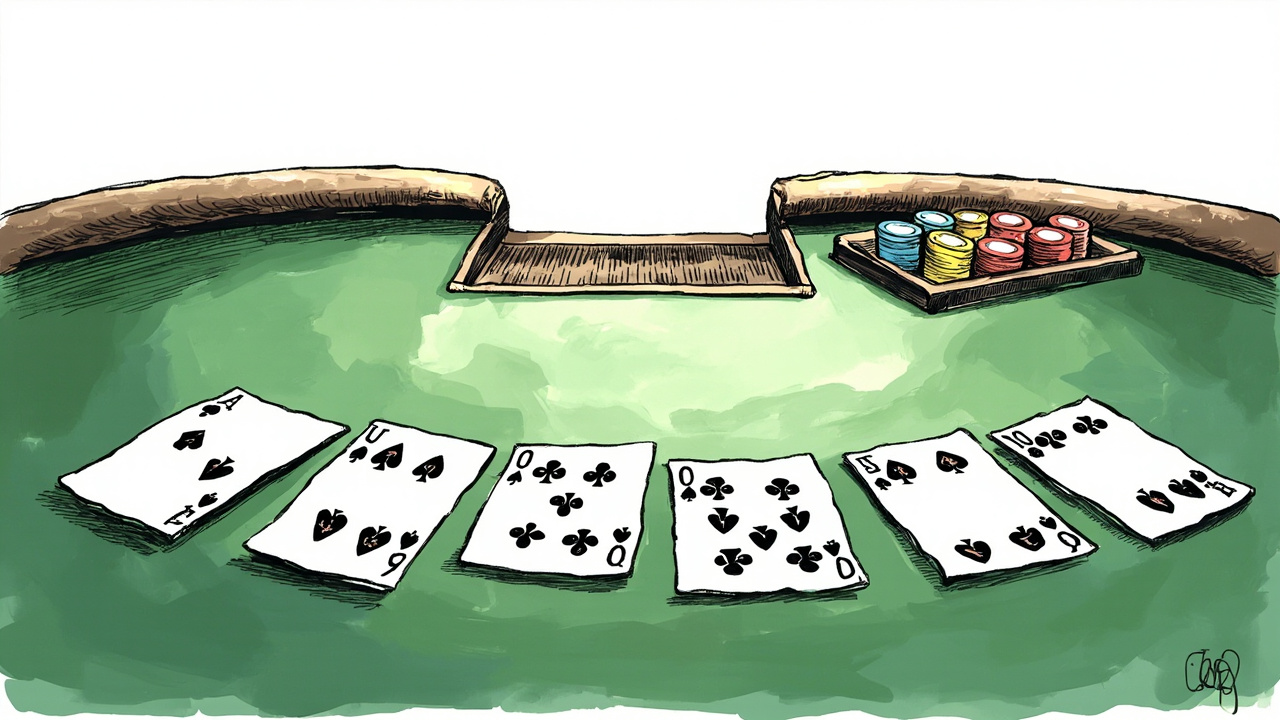
Learning the rules for caribbean stud poker can feel like sorting out a tricky hand before the dealer turns over the cards. You want clear steps, fair play, and a setup that actually suits your style, not a wall of jargon. If you have spent time around affiliate deals and publisher programs, you know the difference between a polished platform and one that just looks shiny from a distance. Here is a grounded look at how the game works, what to watch for, and whether it fits your next arvo session.
Finding a platform that treats the rules for caribbean stud poker with care is half the battle, especially when you are comparing table limits, bonus terms, and verification steps side by side. I have spent more than a decade on both sides of partnership deals – publisher and advertiser – and the pattern is always the same: the sites that actually hold up are the ones that spell out eligibility, payment paths, and support channels without making you hunt for them. A clean signup flow, a sensible first deposit option, and a bonus that ozwincoupons.com does not bury you in impossible rollover terms are what separate a decent session from a frustrating one.
How the Hand Rankings and Betting Procedure Work
The core of the game starts with a five-card hand dealt face down to you, while the dealer receives one card face up and four cards face down. You decide whether to fold or raise, and that decision point is where the rules for caribbean stud poker really shape the session. If you fold, you lose your ante straight away; if you raise, you place a second bet that is usually five times the ante, which keeps the math simple and the pace steady. The dealer then reveals their hand, but they need at least an ace and a king to qualify. When the dealer does not qualify, you win even money on your ante and the raise pushes. When the dealer does qualify, the higher hand takes the pot, and a royal flush bonus can kick in on the raise side if you hit the top hand and the dealer qualifies too.
Understanding the ante, raise, and progressive jackpot side bet
The ante is your entry wager, the raise is your commitment to stay in the hand, and the progressive jackpot side bet is a separate wager that pays out for specific high hands regardless of the dealer’s outcome. That side bet is where the rules for caribbean stud poker can feel a little different from table to table, because the payout tiers and trigger hands vary by operator. A sensible approach is to treat the side bet as optional entertainment rather than a core strategy, since it changes the volatility of your session without changing the basic fold-or-raise decision. If you are tracking your bankroll in Australian dollars and playing in short bursts, keeping the side bet small relative to your base wagers helps the numbers stay manageable.
Dealer qualification, payouts, and the five-card draw nuance
The dealer qualification rule is the hinge that makes the game tick, because it decides whether your raise is contested or simply collected. When the dealer fails to qualify, your ante pays even money and your raise is returned, which is a clean outcome that rewards patience. When the dealer qualifies, the hand comparison runs straight through the standard poker rankings, from high card up to royal flush, and the payouts follow the posted table rather than a hidden formula. There is no draw phase in this game, so the five cards you see are the five cards you play with, and that fixed structure is part of why the rules for caribbean stud poker stay easy to follow once you have run through a few hands.
Registration, Verification, and Your First Session
Signing up should be straightforward, but the details matter more than the flashy banner on the homepage. A solid operator will ask for basic eligibility details, confirm you are in a permitted jurisdiction, and then move through identity checks before you can move money or play for real stakes. I have seen too many programs where the onboarding looked slick until the first withdrawal request exposed a messy verification queue, and that is the kind of friction I always flag when I am assessing a partner. A clean first session means your signup, your verification, and your first deposit all line up without you having to chase support across three different channels.
Signup, eligibility, and the verification queue
The signup form usually covers name, contact details, date of birth, and location, followed by a verification step that asks for documents matching your claimed identity and address. That step is not bureaucracy for its own sake; it is the point where the platform confirms you are who you say you are and that you are playing from a permitted location. If you are based near Geelong and you are using a local address, make sure the document you upload matches the details you entered, because a mismatch can stall the queue and delay your first session. Good support teams will tell you exactly what they need and give you a realistic timeframe, rather than leaving you guessing while your account sits in limbo.
Once your credentials are approved, the restrictions lift, and you are free to explore the available options. This access opens up a variety of gaming experiences, including the popular chicken road 2 game. You can find more information on how to begin playing at chicken road 2 game.
First deposit, bonus activation, and the first hand
Once your account is verified, the first deposit is where bonus terms come into play, and that is where a lot of players get caught by wording they did not read closely. A bonus might look generous until you see the wagering requirement, the game weighting, and the time window attached to it, so the smart move is to activate it only when the terms actually suit your play style. Your first hand should be a low-pressure one, just enough to see how the interface handles the ante and raise buttons, how the dealer qualification display works, and whether the payout table is easy to find before you commit more funds. If you want a side-by-side look at how poker basics are explained for newcomers, this related breakdown of simple poker rules is worth a quick read.
Player-Fit Verdict for Australian Adults
This game suits players who like a structured, easy-to-follow table game with a clear decision point and a fixed set of outcomes. It is not a slot, and it is not a multi-round poker grind, so the appeal is the simplicity of the ante-and-raise rhythm rather than deep strategic layering. If you are the sort of player who wants a defined session length, a transparent payout table, and a game where the rules for caribbean stud poker do not change mid-hand, this can fit neatly into a relaxed evening. If you prefer fast-paced, high-variance play or you want a game where you can bluff your way through a long session, this probably is not your main event.

For players who value clarity over complexity, the game’s fixed structure is a genuine strength, because you always know what you are risking on the ante and what you are committing to with the raise. The dealer qualification rule keeps the outcomes readable, and the progressive side bet gives you an optional extra without forcing it into every hand. The main caution is the same caution I would give on any partnership pitch: read the terms, check the verification path, and do not assume a polished lobby means a smooth withdrawal experience. A platform that handles the basics well – clear limits, sensible bonus mechanics, and support that actually answers – is the one worth your time.Poker regels simpel uitgelegd voor nieuwe

Have you played this game before, or are you still working out whether the ante-and-raise rhythm suits your style? Drop a comment with your experience, send it to a mate who likes table games, and let us know what you reckon about the first-session setup.